 Advertorial
Advertorial
Advertorial
From a conversation with Ted Hollis, 71
(Bishop's Castle, Shropshire), the last sawyer still rescuing this
wood from the firewood pile.
Each one is a cutting board cut from
English elm. The wood with interlocked grain that physically cannot
be split, the wood every butcher's block in Britain was made from
for five centuries. £99, finished on his daughter's bench, shipped
direct from Shropshire.
When the last one ships, his hands are
done.

By Alistair Grace, Staff Writer at Radiosmali, July 26, 2026
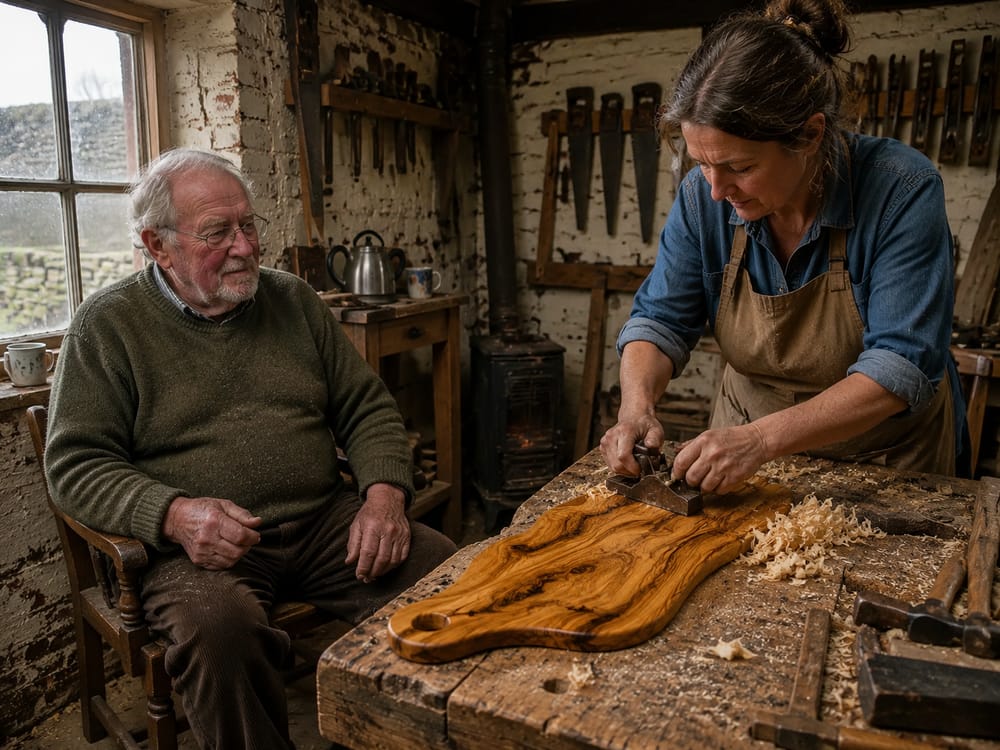
Ted Hollis said that
from a chair by his workshop window, because he cannot stand at the bench
anymore.
His hands rest
in his lap. The right one does not open all the way. Forty winters of chainsaw
grip took it, one cold Shropshire morning at a time, starting when he was
forty-four. He does not complain about it. He calls it a fair trade.
What he built with those
hands, over eight years of fighting to save a wood nobody else would save, is
sitting on the bench behind him. A cutting board. Planed and oiled until the
grain came up in deep amber and golden brown, swirling differently across every
inch, like nothing you have ever had on a kitchen counter.
It is the wood this
country once lived on. Every butcher's block in Britain was elm, because its
interlocked grain runs in opposing directions through the same board and
physically cannot be split. A blade comes down on this board and the wood closes
back over the cut. It does not warp. It does not rot in the wet. The medieval
water mains under London were hollowed elm trunks, and when engineers dig them
up today, centuries later, the wood is still sound.
Then Dutch elm disease
killed more than 25 million of these trees in a single generation. And for fifty
years, the survivors that remain in remote hedgerows have been cut up for
firewood when they come down, because nobody remembers what the wood is worth.
Ted watched it happen for forty of those years. He got angry enough to do
something about it. His body paid the price.
His daughter Beth finishes every board now at the
bench beside his chair. There are 200 in the curing shed. They ship from
Bishop's Castle, Shropshire, population 1,900, for £99. Thirty days to send it
back for any reason, postage covered. In eight years, Ted has never had a single
board come back.
When the
last one ships, his hands are done. There is no batch 201.
Specialty retailers who
carry English elm boards (and almost none do) list them at £189 to £249. Ted set
his price on the morning he told Beth it was time.
Most Britons know
oak.
Most Britons know
walnut and beech and ash.
Almost nobody under fifty has ever seen freshly planed
English elm, and that is one of the sadder facts about British wood, because for
five centuries, elm was the wood this country actually worked on.
Every butcher's block in
Britain was elm. Not oak. Not beech. Elm, because its interlocked grain means a
cleaver can come down on it ten thousand times and the block closes back over
the mark. Butchers stood at the same elm block for an entire working life and
passed it to their sons.
It grows in the hedgerows of the Welsh Marches, in old
field boundaries across Shropshire and Herefordshire. The medieval water mains
under London were hollowed elm trunks, still sound when engineers dig them up
today. The original Waterloo Bridge stood on elm piles. Not because anyone
treated the wood. Because elm does not rot in the wet.
Planed and oiled, it is
one of the most visually striking cutting board woods on earth. The heartwood
runs deep amber to golden brown, with grain that shifts and swirls as you tilt
the board in the light. No two pieces look the same. No other British wood looks
like it at all.
"My
grandfather showed me the first piece I ever worked," Ted says. "I was eight
years old. He put a plane to it and the shaving came off golden, like a ribbon
of gold. I've never gotten over it."
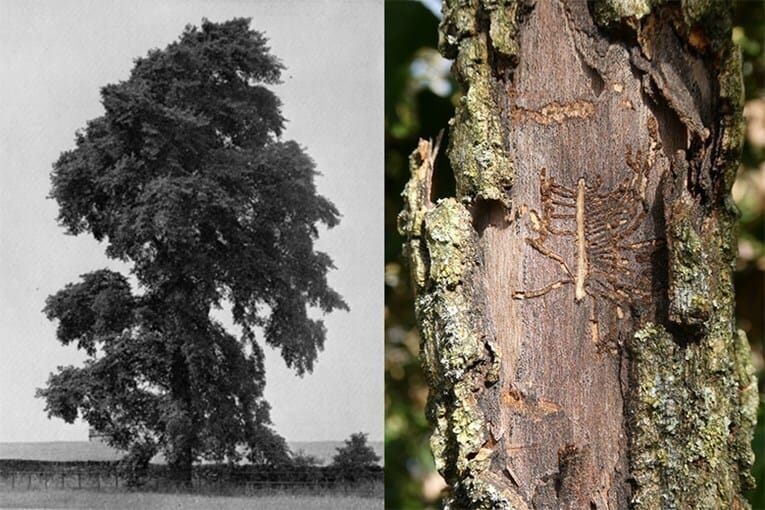
The problem is that nobody saves it. Dutch elm disease
took more than 25 million trees, and the survivors that regrew in remote
hedgerows come down one by one when farmers clear their field boundaries. The
trees are 80 to 150 years old. They are cut up for firewood or chipped.
Ted Hollis has watched it
happen for forty years. It is one of the few things that still makes him
angry.

Ted's grandfather
worked the timber along these hills.
His father worked it.
Ted started at 19 knowing exactly what the work did to
a man because he had watched both of them.
"You don't go into the timber blind," he says. "You
see what it does. You see the hands, the back, the knees. And you go anyway,
because it's what you do and you're good at it and there isn't anything else
you'd rather be."
He was
good at it for 40 years. Through the booms and the collapses of the hardwood
trade. Through the slow mechanisation that put most small operations out of
business by the 2000s. Through all of it, Ted in the timber, until the timber
was done with him.
The
hands went first.
Rheumatoid arthritis at 44. It took something every
year after that, until the right hand became a fist that will not fully open and
the left developed a tremor the doctors call benign. Then the back. Three
herniated discs between L3 and L5, from decades of chainsaw vibration on cold
Shropshire mornings. Then both knees, bone spurs from years of heavy loads on
ground that was never level. In 2019, a rotator cuff torn in a fall that he
worked through for six months before admitting it had not healed.
He cannot stand for more
than twenty minutes. He cannot lift a board above his waist.
He was in the workshop at
5 this morning anyway.
In
the winter of 2025, his doctor told him plainly: stop, or be in a wheelchair by
75.
Ted drove home and
sat at the kitchen table. He was not surprised. He was not angry. A man who
spends forty years in the timber does not get to be surprised when the hills ask
for something back. He had known the price going in. He had paid it
willingly.
What he sat
with was one question: what happens to the wood?
Because when Ted stopped, nobody was saving the last
hedgerow elms. Nobody else knew how to read the grain. Nobody else had the farm
contacts, the eye, the knowledge of which trees were worth hauling and which
should stay where they fell.
Nobody except Beth.
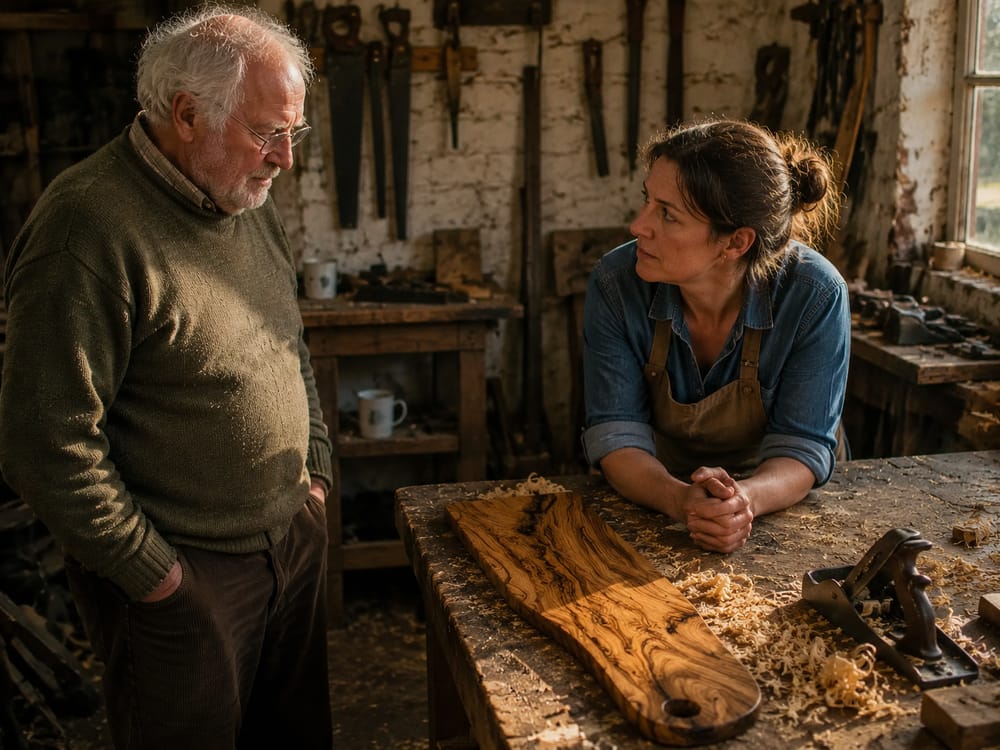
Beth Hollis is 41.
She has been in her father's workshop since she was 12. First sweeping floors,
then sanding, then learning to read grain the way Ted reads it, with her hands
and her eyes and the particular patience that elm demands because it does not
give itself up quickly.
She is the one who finishes the boards. She is the
one who runs the planer now and the drum sander, and carries the slabs from the
curing shed to the bench. She does the work Ted's body will not let him do
anymore.
Last December,
they sat at the kitchen table after dinner and Ted told her what the doctor had
said.
"She didn't say
much," Ted recalls. "She asked me how many boards were in the curing shed. I
told her two hundred. She said: 'Then let's finish the two hundred. And then
I'll take it from there.'"
He looks out the workshop window.
"She said 'I'll take it
from there' the same way her grandfather used to say it. Like it wasn't a
question. Like it was already decided." He pauses. "I don't know where she got
that. Maybe the wood."
These 200 boards are what he and Beth agreed on: his
last batch, her first as the one in charge. Ted inspects every board before it
ships. Still running two fingers across the grain, still catching the spots
where the figure isn't quite right, still the only person in the room who knows
at a touch what forty years taught him to know. But the work is Beth's now. The
name will be Beth's. The farm contacts, the customers, the knowledge of which
Shropshire hedgerows still have elms worth calling about: hers.
"I'm not going
anywhere," Ted says.
"I'll be in the chair. I'll still be looking." He
almost smiles.
"But
these are my last ones. And that's all right."
In April 2026, a
specialty kitchenware buyer from London offered £68 per board for the full
inventory.
Ted said no
before the man finished his sentence.
"My daughter has spent her whole life learning this
wood," Ted said. "My grandson Ollie has spent two summers here stacking boards
before school. You want to pay me £68 so you can put a sticker on them and sell
them for £249?" He didn't raise his voice. "No."
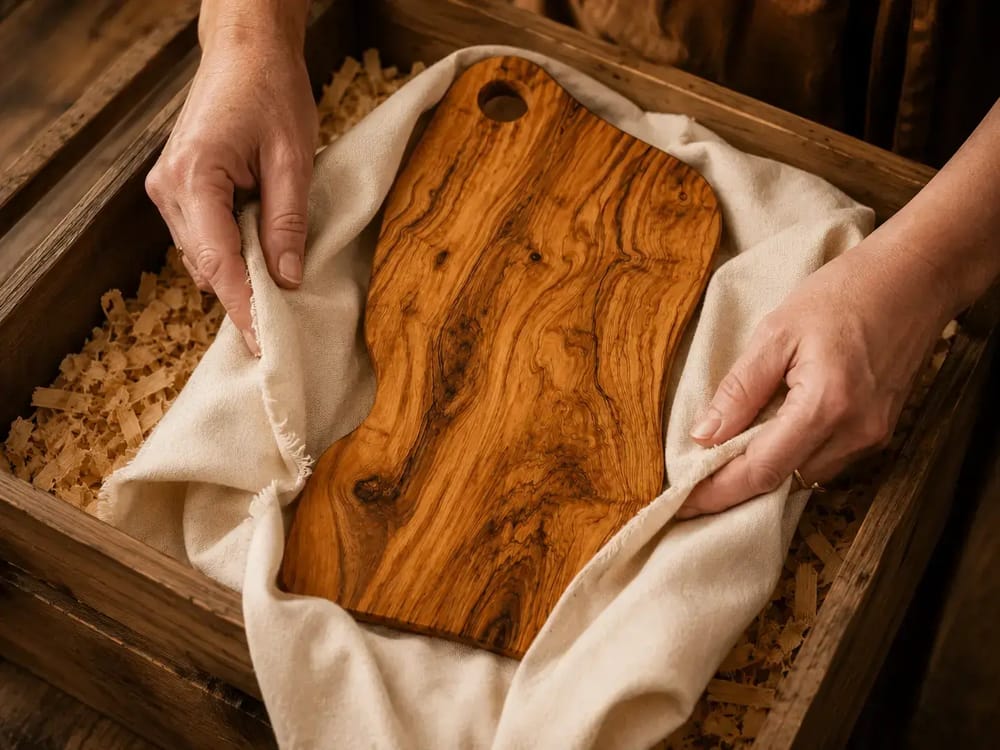
His price: £99 direct from Bishop's Castle,
Shropshire. Packed by Beth in canvas. Dropped at the post office in town by
Ollie on his way to school. The lowest Ted can go and still cover the timber
sourcing and the materials honestly.
Specialty retailers who carry English elm (and almost
none do, because the wood is nearly impossible to source and famously difficult
to machine) list comparable boards at £189 to £249.
The difference between
their price and Ted's is not quality. It is the distance between the Shropshire
hills and a showroom in a city that has forgotten what elm even looks
like.

Ted announced the
direct release through a Shropshire farming newsletter and two woodworking
forums in May 2026. The orders came with questions (most people thought English
elm was gone entirely) and then, a few weeks later, the letters started.
"I'm a woodworker. I've
worked with walnut, cherry, oak, beech, teak. When the elm board arrived, I put
it on my bench and just looked at it for a while. The colour is unlike anything
I've worked with. My wife, who does not care about wood, walked past, stopped,
picked it up, and said: 'This looks expensive.' I told her what I paid. She
said: 'Order another one.' I did."
— Steve Paulson,
Sheffield
"I gave this
to my father for Father's Day. He's 68, serious cook his whole life, owns every
board worth owning. He opened it, held it under the kitchen light, and said: 'I
haven't seen elm like this since I was a boy.' He uses it every day. Last week
he called me asking if he could get another one. I told him there were only 200
and he might have the last good one. He said to try anyway."
— Jennifer Crane, Bath
"My husband is a retired
Forestry Commission ranger. Thirty years in the field, and he assumed proper
English elm was finished as a working timber. When this arrived he read
everything he could find and has not stopped talking about it since. He brought
it to a dinner party and spent 45 minutes explaining Dutch elm disease and
butcher's blocks to our friends. He has never in his life talked about a kitchen
object for 45 minutes. The board is apparently doing fine."
— Patricia Whitmore, York
In June 2026, a woodland
heritage trust in Hereford invited Ted to speak at their annual meeting.
He declined. "I've got
boards to finish," he said. "And a daughter who doesn't need me making speeches
when there's work to do."
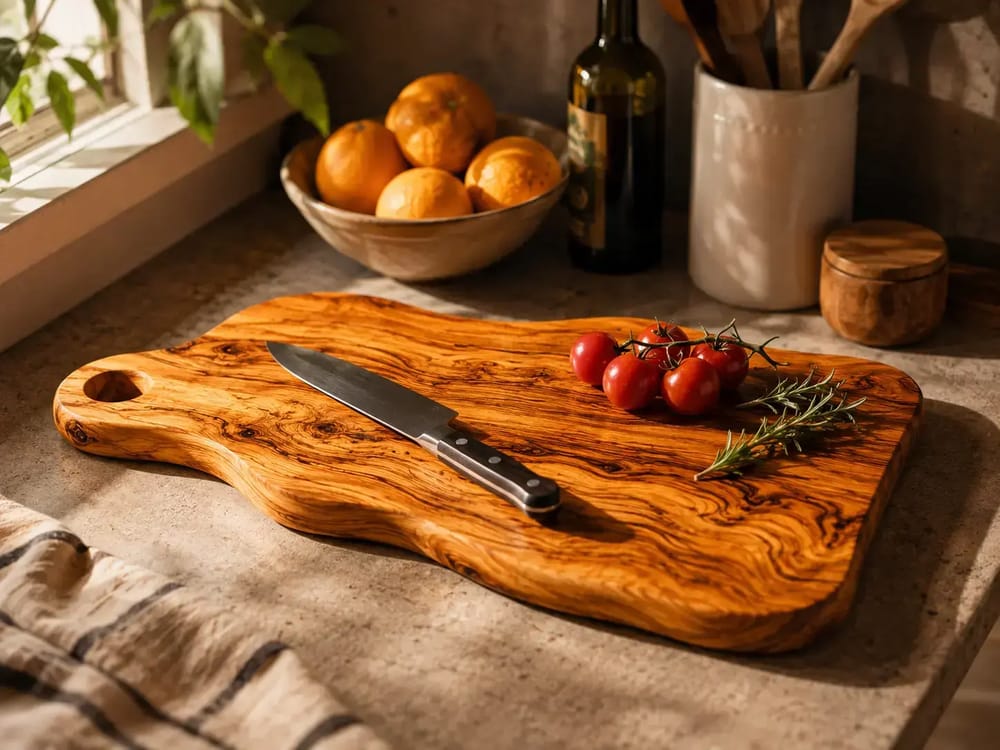
✅ It physically cannot be split. Elm's
interlocked grain runs in opposing directions through the same board, which is
why every butcher's block in Britain was elm for five centuries. A blade comes
down on this surface and the wood closes back over the mark. The board you use
every day for twenty years will look like the board you unwrapped on the first
morning.
✅ It does not rot. It does not warp. London's
medieval water mains were hollowed elm trunks, and engineers still dig them up
sound centuries later. The original Waterloo Bridge stood on elm piles. Ted has
never had a board come back warped. He has been making them since 2018.
✅ No two boards look alike, ever. The grain
swirls and figures differently in every slab. The colour ranges from deep amber
to golden brown, deepening to a rich gold with use and light. It is the most
visually striking cutting board wood most Britons have never seen up close.
✅ Rescued from the firewood pile. Every board Ted
ships was sourced from a hedgerow elm already scheduled for felling. The trees
are 80 to 150 years old, survivors of the disease that took 25 million of their
kind. Without Ted's operation, they become logs and chippings. The board you
receive is the second life of a British tree that outlived an epidemic.
✅ Made in Shropshire, start to finish, by a family
that knows this wood. Ted reads the grain. Beth does the bench work. Ollie
stacks and wraps. No CNC, no factory, no imported lumber. The board ships from a
market town of 1,900 people in the Shropshire hills. There is no more
British-made object in British kitchens right now.
>> Claim
Yours Before the Batch Is Gone
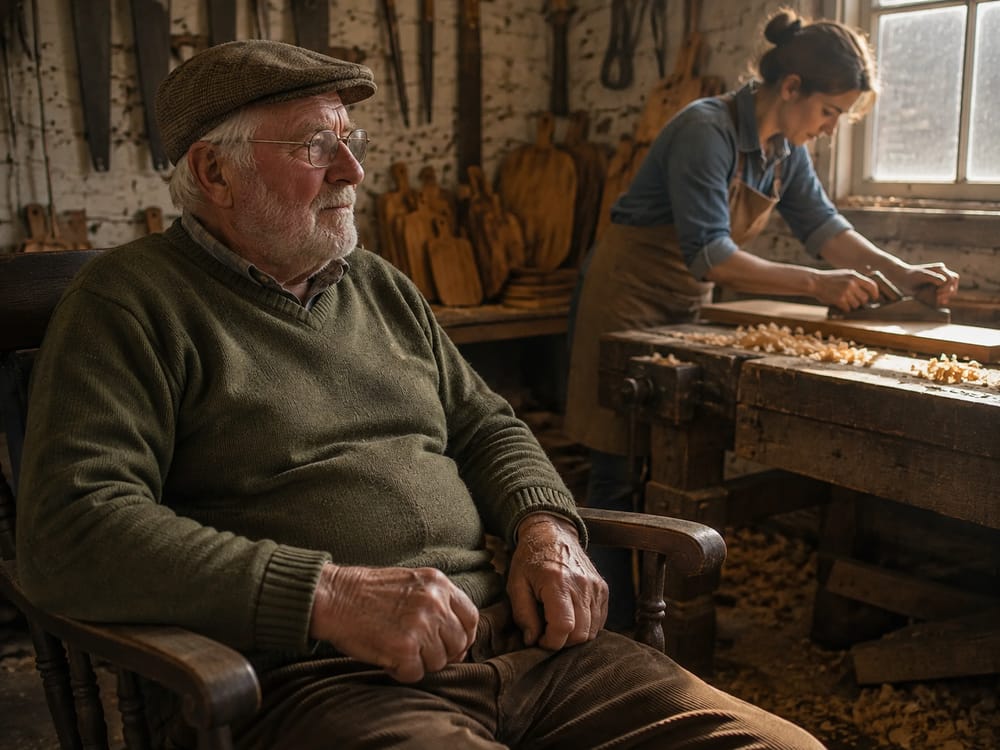
As of this morning
in Bishop's Castle, Shropshire, 147 of the 200 boards remain. Beth packs them
herself in canvas. Ollie takes them to the post office on his way to school. Ted
is in his chair by the window, two fingers on the phone, checking the order
list.
He cannot do much
else now. His back will not let him stand long enough. His hands will not let
him grip long enough. The body that spent forty years in the timber has decided,
with some finality, that it has done what it came to do.
But he is in the chair
every morning before Beth arrives. He looks at every board before it ships. He
is still the one who decides what is good enough and what is not, and in forty
years, his standard has not changed.
Every board ships within 5 working days from
Shropshire. 30-day return for any reason. Return postage covered. Ted has never
had a return. He says that's because of the wood. Beth says it's because of his
standard. They are both right.
"My kids have never cared about cooking. I put this
board on the counter in June. My son, who has never once expressed an opinion
about anything in the kitchen, picked it up and said 'This looks like something
from a museum.' He now uses it every time he cooks. He has not once put it in
the dishwasher. I don't know who taught him that. I think it was the board."
— Donna Wells, Norwich
"We drove through
Shropshire last summer and bought one of Ted's boards at a local market. The
woman selling them was his daughter Beth. She told us about the hedgerow elms
and her father's hands and what it meant to be finishing the last batch
together. When we got home to London, everyone who came to our house that summer
picked up the board and asked about it. It's the most-discussed object in our
kitchen. It's also the most-used. Those two things don't usually go
together."
— Michael Stern, London
The last boards are
expected to ship before the end of August.
Ted Hollis spent forty years watching the wood that
built Britain's butcher's blocks get cut up for firewood because nobody
remembered what it was worth. He spent eight years doing something about it,
with what his body had left, piece by piece, until his body said enough.
These 200 boards are his
last. Beth's first as the one who carries it forward.
He will be in the chair.
He will still be looking.
Secure Checkout · Fast Shipping · 30-Day Money-Back Guarantee